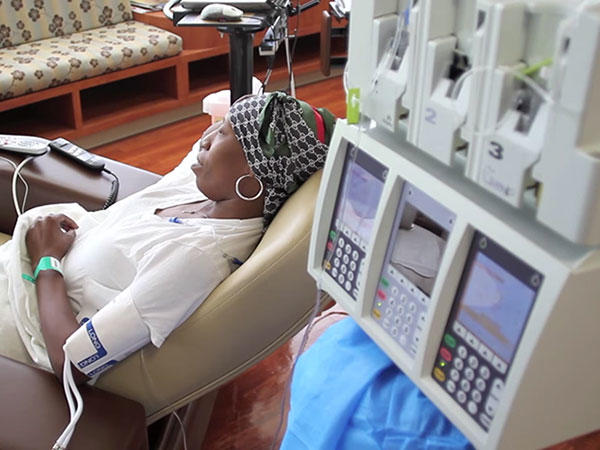
Cancer Treatment Focus: Navigating the Complexities of Care
In today's digital age, people search for a vast array of information, from celebrity finances to critical health details. While a search query like "jaymes young net worth" might lead one to information about a musician's financial standing, this article serves a different, far more vital purpose. Here, we delve into the intricate world of cancer treatment – a topic of profound significance that affects millions globally. Understanding the landscape of cancer care, the available options, and what to expect is paramount for patients, their families, and anyone seeking to grasp one of modern medicine's most challenging frontiers. This piece will focus entirely on cancer treatment, offering a comprehensive overview rather than details on any individual's net worth.
The journey through cancer treatment is uniquely personal, yet it is often characterized by a shared experience of uncertainty, hope, and resilience. Modern oncology has made remarkable strides, transforming what was once a uniformly grim diagnosis into a treatable, and often curable, condition for many. These advancements are the result of tireless research, innovative technologies, and a deeper understanding of the disease itself. Unlike easily quantifiable figures such as "jaymes young net worth," the efficacy and impact of cancer treatments are deeply complex, highly individualized, and continually evolving. Our goal here is to illuminate these complexities, providing clarity and actionable insights for those navigating this challenging path.
Understanding the Spectrum of Cancer Treatments: A Multifaceted Approach
Cancer treatment is rarely a one-size-fits-all scenario. Instead, it involves a highly personalized strategy, often combining multiple modalities tailored to the specific type of cancer, its stage, the patient's overall health, and genetic factors. The primary goal is typically to remove or destroy cancer cells, prevent their spread, and improve the patient's quality of life. Below are some of the most common and effective treatment types:
- Surgery: Often the first line of defense, especially for solid tumors, surgery aims to physically remove the cancerous tissue and, sometimes, surrounding lymph nodes to prevent spread. Advances in surgical techniques, including robotic-assisted and minimally invasive procedures, have improved outcomes and reduced recovery times.
- Radiation Therapy: This treatment uses high-energy particles or waves to destroy cancer cells or damage their DNA, preventing them from growing and dividing. It can be delivered externally (external beam radiation) or internally (brachytherapy), targeting the tumor with precision while minimizing damage to healthy tissue.
- Chemotherapy: A systemic treatment, chemotherapy uses powerful drugs to kill rapidly growing cancer cells throughout the body. While effective against many cancers, it can also affect healthy cells, leading to various side effects. Newer chemotherapy drugs and delivery methods are continually being developed to enhance effectiveness and reduce toxicity.
- Targeted Therapy: This revolutionary approach focuses on specific molecular targets within cancer cells that drive their growth, survival, and spread. By blocking these targets, targeted therapies can selectively kill cancer cells while sparing healthy ones, often leading to fewer side effects than traditional chemotherapy.
- Immunotherapy: One of the most exciting breakthroughs in recent years, immunotherapy harnesses the body's own immune system to recognize and attack cancer cells. These treatments can "unleash" the immune system or boost its ability to fight cancer, offering long-lasting responses for some patients.
- Hormone Therapy: For cancers sensitive to hormones (e.g., breast and prostate cancer), hormone therapy works by blocking the production of hormones or preventing them from binding to cancer cells, thereby slowing or stopping tumor growth.
- Stem Cell Transplant (Bone Marrow Transplant): Used primarily for blood cancers, this procedure restores blood-forming stem cells after high-dose chemotherapy or radiation therapy, which can destroy both cancerous and healthy bone marrow cells.
- Precision Medicine: This cutting-edge approach involves analyzing the genetic makeup of a patient's tumor to identify specific mutations or biomarkers. Treatment is then tailored to target these unique characteristics, offering a highly personalized and potentially more effective strategy.
The choice of treatment or combination of treatments is made by a multidisciplinary team of specialists, including oncologists, surgeons, radiation oncologists, and pathologists, in consultation with the patient and their family. This collaborative approach ensures that every aspect of the patient's health and well-being is considered.
Navigating Your Cancer Treatment Journey: What to Expect and Practical Tips
Embarking on cancer treatment can be overwhelming, filled with medical jargon, appointments, and difficult decisions. While a search for something like Jaymes Young Net Worth: Why Cancer Treatment Info Misses It might offer a momentary distraction, focusing on practical aspects of your treatment journey is crucial for a smoother experience.
Key Aspects to Understand:
- Personalized Treatment Plans: Every patient's cancer is unique, and so is their treatment plan. Your medical team will explain why certain treatments are recommended for you, based on your specific diagnosis, stage, overall health, and personal preferences.
- Managing Side Effects: Most cancer treatments come with potential side effects. Your care team will discuss these with you and provide strategies and medications to manage them effectively. Open communication with your doctors is vital for addressing any discomfort or concerns.
- The Role of Clinical Trials: For some patients, participating in a clinical trial offers access to experimental treatments that are not yet widely available. These trials play a critical role in advancing cancer research and improving future outcomes. Discuss with your doctor if a clinical trial might be a suitable option for you.
- Support Systems: Cancer treatment impacts not just the body, but also the mind and spirit. Rely on your support network—family, friends, support groups, and mental health professionals. Many hospitals offer patient navigators and social workers who can connect you with resources.
- Lifestyle Adjustments: Maintaining a healthy lifestyle, including a balanced diet and appropriate exercise, can significantly impact your treatment tolerance and recovery. Consult with your care team or a nutritionist for personalized advice.
Practical Tips for Patients and Caregivers:
- Educate Yourself: Learn as much as you can about your specific cancer and treatment plan. Write down questions for your doctor and consider bringing a trusted friend or family member to appointments to help take notes.
- Maintain Open Communication: Do not hesitate to voice concerns, ask questions, or report new symptoms to your medical team. They are there to help you.
- Organize Your Information: Keep a binder or digital file for all medical records, appointment schedules, medication lists, and contact information for your care team.
- Prioritize Self-Care: During treatment, it's easy to overlook your own needs. Ensure you get adequate rest, eat nutritious meals, and engage in activities that bring you joy and relaxation.
- Seek Emotional Support: It's normal to experience a range of emotions. Connect with support groups, therapists, or counselors who can help you process your feelings and cope with the challenges of cancer.
Understanding the intricacies of your treatment, even while researching disparate topics like Jaymes Young Net Worth Search: Uncovering Cancer Treatment Details, highlights the breadth of information available and the importance of focusing on what truly matters for your health. Being an active participant in your care is empowering and can significantly influence your journey.
The Future of Cancer Treatment: Hope on the Horizon
The field of oncology is in a state of continuous evolution, with new discoveries and treatment modalities emerging regularly. Researchers are tirelessly working to understand cancer at its most fundamental level, leading to more precise, less toxic, and ultimately, more effective therapies. Advances in genomic sequencing, artificial intelligence, and drug development are paving the way for a future where cancer is increasingly manageable, and hopefully, preventable.
- Early Detection: Enhanced screening methods and liquid biopsies promise to detect cancer at its earliest, most treatable stages.
- Personalized Vaccines: Tailored vaccines designed to stimulate a patient's immune system against their specific tumor markers are on the horizon.
- Minimally Invasive Technologies: Continued advancements in robotic surgery, focused ultrasound, and other localized therapies aim to reduce patient recovery times and improve outcomes.
- Combination Therapies: The strategic combination of different treatment types, like immunotherapy with targeted therapy, is showing promising results in overcoming cancer's ability to resist single treatments.
These ongoing innovations offer immense hope, reminding us that the fight against cancer is far from over, and indeed, is being won on many fronts. The focus remains steadfastly on improving patient lives, extending survival, and ultimately, finding cures.
Conclusion
While the internet offers a vast ocean of information, from details on "jaymes young net worth" to in-depth medical insights, the profound importance of understanding cancer treatment cannot be overstated. It is a journey that demands courage, knowledge, and a strong support system. Modern oncology provides a wide array of sophisticated treatments, each carefully selected and tailored to the individual. By staying informed, actively participating in your care, and leveraging available resources, patients and their loved ones can navigate this challenging path with greater confidence and hope. The ongoing advancements in research continue to offer a brighter future, promising more effective and less burdensome ways to combat this complex disease.
